When it comes to roof installation, understanding the nuances of local building codeslocal building codes is essential for homeowners and contractors alike. These codes are not just arbitrary regulations; they are designed to ensure safety, durability, and compliance with community standards. Before you even consider picking up a hammer or ordering materials, it’s crucial to familiarize yourself with these guidelines. Ignoring them can lead to costly mistakes, including potential fines, safety hazards, and even the need to redo your work entirely. In this article, we will explore the fundamental aspects of local building codes specifically related to roofing.
From understanding permits and inspections to knowing the materials that meet your area's standards, we aim to equip you with the knowledge you need for a successful roofing project. Whether you’re a seasoned professional or a first-time homeowner, navigating these regulations can seem daunting—but it doesn’t have to be. Join us as we break down the essentials of local building codes for roofing. By the end of this guide, you will be better prepared to tackle your roofing project while ensuring compliance with local regulations, ultimately leading to a safer and more secure home. Understanding local building codes is crucial for anyone planning a roofing project. These codes are put in place to ensure the safety, durability, and compliance of structures within a community.
When it comes to roofing, adhering to these regulations can prevent potential hazards and costly mistakes. Ignoring local building codes can lead to serious consequences, including legal issues, fines, and the need for expensive repairs or renovations. Local building codes cover a wide range of critical aspects related to roofing, including the types of materials and styles permitted for use. Different areas may have specific regulations regarding roofing materials, such as asphalt shingles, metal roofs, or tile roofs. For instance, in regions prone to high winds or heavy snowfall, certain materials may be mandated due to their enhanced structural integrity.
Understanding these requirements is essential for homeowners who wish to select appropriate materials that not only meet aesthetic preferences but also comply with local standards. Furthermore, local building codes often dictate specific requirements regarding roof pitch, insulation, ventilation, and the suitability of materials for distinct climates. For example, a steep roof pitch may be required in areas where heavy rainfall is common to ensure effective water drainage. Similarly, proper insulation and ventilation are critical for energy efficiency and moisture control, which can prolong the lifespan of a roof. Homeowners should familiarize themselves with these details to avoid non-compliance that could compromise safety and effectiveness. The repercussions of failing to adhere to building codes can be severe.
Homeowners may face legal action from local authorities or neighbors if their roofing installation does not meet the established guidelines. Moreover, improper roofing can lead to significant structural issues down the line, necessitating costly repairs or replacements that could have been avoided with proper compliance from the outset. The process of obtaining permits and inspections is another vital aspect of navigating local building codes. Before beginning any roofing project, homeowners should check with their local building department to determine what permits are necessary. This process typically involves submitting plans for approval and paying associated fees.
Inspections may also be required at various stages of the roofing project to ensure compliance with all relevant regulations. When hiring a contractor for roofing work, it's essential to choose someone who is knowledgeable about local regulations. A qualified contractor will understand the specific codes that apply to your area and can help guide you through the permitting process while ensuring that all work meets safety standards. Homeowners should verify a contractor's credentials and experience with local building codes before making a hiring decision. Maintaining a roof in accordance with code requirements is equally important. Regular inspections can help identify potential issues before they escalate into major problems.
Homeowners should conduct routine maintenance checks, looking for signs of wear or damage that could compromise compliance with local codes. While some basic DIY methods for roof inspection may be feasible—such as checking for loose shingles or debris accumulation—homeowners should be cautious. Many codes impose limitations on DIY work regarding structural elements like roofing, emphasizing the importance of professional assessments. In conclusion, understanding local building codes is an essential part of any roofing project. By being informed about the regulations governing roofing materials, styles, pitch, insulation, and ventilation—and by following proper procedures for permits and inspections—homeowners can ensure that their roofing work is safe, compliant, and durable.
This knowledge not only helps in making informed decisions about roofing options but also plays a crucial role in selecting the right contractor and maintaining the roof over time. This knowledge not only helps in making informed decisions about roofing options but also plays a crucial role in selecting the right contractor and maintaining the roof over time.
DIY Roof Inspection: Staying Within Legal Boundaries
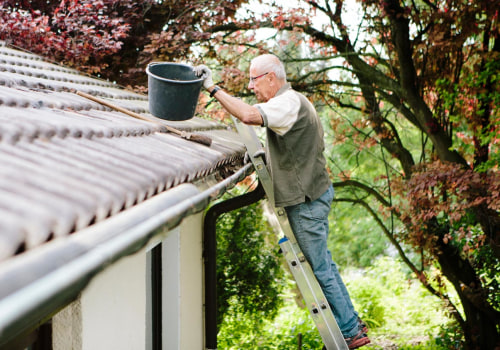
Conducting a DIY roof inspectionDIY roof inspection can be an empowering experience for homeowners, allowing them to assess their roofing condition without relying solely on professionals. However, it is crucial to perform these inspections while adhering to local building codes to ensure safety and legality. Before climbing onto your roof, familiarize yourself with the relevant codes in your area. Local building codes often specify safety measures that must be followed during roof inspections. This includes using proper ladders, wearing safety gear, and ensuring that the roof structure is stable enough to support your weight. When inspecting your roof, look for common issues such as missing shingles, leaks, or signs of rot.Make sure any repairs you plan to undertake are compliant with local regulations. For example, certain areas may require permits for specific types of repairs or modifications. Ignoring these requirements can lead to fines and complications when selling your home in the future. Document any findings during your inspection and check if repairs fall within the scope of DIY work permitted by local codes. If you're unsure about the legality of your intended repairs, consult with a licensed contractor who understands the local codes.
This not only helps you stay within legal boundaries but also ensures that your home remains safe and up to code. By following these safe DIY practices for roof inspection and understanding local building codes, homeowners can protect their investment and contribute to the overall safety of their property.
Hiring a Contractor: What to Look For
When it comes to roofing projects, hiring the right contractor is essential, especially one who is well-versed in local building codes. Here are some tips to help you find a qualified contractor:1.Research Credentials: Start by verifying the contractor's licenses and certifications. Ensure they hold the necessary permits to operate in your area, which often includes knowledge of local building codes.2.Ask About Experience:
Inquire about their experience with projects similar to yours. Contractors who have worked extensively in your locality are more likely to be familiar with the specific building codes that apply.3.Request References:
Don’t hesitate to ask for references from previous clients.A reputable contractor should be able to provide testimonials that speak to their knowledge of local building codes and adherence to safety standards.
4.Review Contracts Carefully:
When reviewing the contract, look for clauses that mention compliance with local building codes. This ensures that the contractor understands their obligation to follow regulations.5.Communication is Key:
Choose a contractor who communicates clearly about the building codes relevant to your project. They should be willing to explain how these codes impact your roofing decisions.6.Check for Insurance:
Make sure the contractor has liability insurance and workers' compensation. This protects you from potential liabilities should any accidents occur during the project and ensures they adhere to safety regulations outlined in the building codes.By following these tips, you can find a contractor who not only meets your roofing needs but also prioritizes compliance with local building codes, ensuring a safe and successful installation.Types of Roofing Materials and Code Compliance
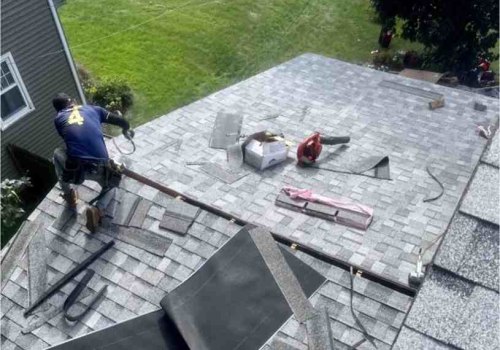
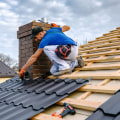
When it comes to roofing, one of the most crucial factors to consider is the type of roofing materials used.Different materials not only offer varied aesthetics and durability but also come with specific regulations that must be adhered to. Understanding these regulations is essential for ensuring code compliance, which can significantly affect the safety and longevity of your roof. For instance, asphalt shingles are among the most common roofing materials due to their affordability and ease of installation. However, many local building codes stipulate that they must be installed in a particular manner to resist wind uplift, especially in areas prone to severe weather conditions.
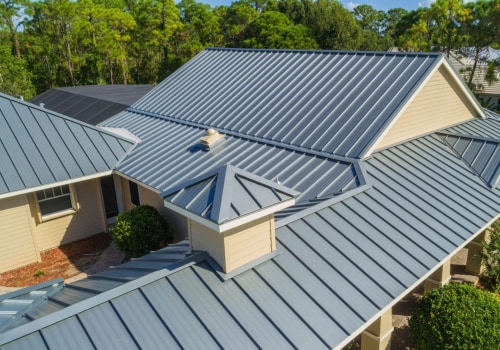
Metal roofing
, known for its durability and energy efficiency, also has specific regulations regarding its installation and maintenance. Some areas may require a certain pitch or slope for metal roofs to ensure proper drainage and prevent water accumulation, which can lead to damage over time.Clay and concrete tiles
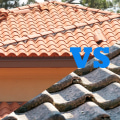
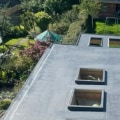
provide a unique aesthetic but are subject to strict weight requirements.Building codes may dictate that your roof structure must be reinforced to support the additional weight of these materials, thus ensuring safety and compliance with local regulations. Finally, green roofs, which incorporate living vegetation, are becoming increasingly popular. However, they come with their own set of regulations that address issues such as waterproofing, drainage systems, and overall structural integrity. Homeowners considering this option must ensure their designs align with local building codes to avoid potential legal issues. In summary, being well-versed in the specific regulations related to various roofing materials is essential for homeowners. Not only does it help ensure that the installation process is compliant with local laws, but it also aids in selecting the right contractor who understands these requirements.
Understanding Local Building Codes
Local building codes are sets of regulations established by municipal or regional authorities that dictate the standards for construction and renovation projects within their jurisdiction.These codes cover various aspects of building, including structural integrity, safety measures, and material specifications. For roofing projects, understanding these codes is crucial as they ensure that the roofing work meets safety standards and is compliant with legal requirements. One of the primary reasons local building codes matter for roofing projects is that they are designed to protect public safety. These codes take into account factors such as weather conditions, local environmental factors, and the overall safety of the structure. Compliance with these codes helps to prevent accidents and injuries that could arise from poorly constructed roofs. Additionally, adhering to local building codes can have significant implications for homeowners.
Ignoring these regulations can lead to serious consequences, including fines, delays in project completion, and even legal action. In some cases, non-compliant roofing work may need to be redone, resulting in increased costs and complications. Therefore, understanding these codes is essential for homeowners who want to make informed decisions about their roofing options and contractor selection. Moreover, local building codes can vary significantly from one location to another. This variability means that what might be acceptable in one area could be deemed unsafe or illegal in another.
Homeowners should be diligent in researching their specific local building codes before starting any roofing project. This knowledge not only ensures compliance but also helps in selecting qualified contractors who are familiar with these regulations. In summary, understanding local building codes is a fundamental aspect of any roofing project. By complying with these regulations, homeowners can enhance the safety, durability, and legality of their roofing installations while avoiding potential pitfalls associated with non-compliance.
Maintenance Tips That Meet Code Requirements
Understanding and adhering to local building codes is crucial for maintaining the integrity of your roof.Maintenance strategies
that comply with local regulations not only ensure safety but also prolong the life of your roofing system.Here are some essential tips to consider:1.
Regular Inspections
: Schedule regular inspections of your roof, ideally twice a year and after major storms. This helps identify any issues early, such as leaks or damage that may violate building codes if left unaddressed.2.Use Approved Materials
: Always use roofing materials that are compliant with local codes. Check with your local building authority to confirm which materials are permitted for your area, especially if you’re considering unique or innovative roofing solutions.3.Proper Ventilation
: Ensure that your roofing system has adequate ventilation as required by code. Poor ventilation can lead to moisture buildup and mold, which can compromise the structure of your roof and violate health and safety regulations.4.Gutter Maintenance
: Keep gutters clear and well-maintained to prevent water damage.Many local codes stipulate specific requirements for gutter installation and maintenance to protect the foundation of your home.5.
Document Your Work
: Keep records of all maintenance activities, repairs, and inspections performed on your roof. Documentation can be crucial in proving compliance with local codes, especially when selling your home.6.Hire Licensed Contractors
: When necessary repairs or installations arise, always hire licensed contractors who are familiar with local building codes. This not only ensures compliance but also enhances the quality of work performed on your roof. By implementing these maintenance strategies, you can ensure that your roofing system not only meets local building code requirements but also remains safe and durable for years to come. In conclusion, understanding local building codes is crucial for any successful roofing project. This article has highlighted the importance of compliance with these codes to ensure safety, legality, and quality in your roofing endeavors.By familiarizing yourself with various types of roofing materials and their code compliance, as well as knowing what to look for when hiring a contractor, you can avoid potential pitfalls. Moreover, maintaining your roof according to code requirements and conducting regular inspections can prevent costly mistakes down the line. We encourage you to take the time to conduct thorough research or consult with professionals who can guide you through the complexities of building codes.Ultimately, prioritizing safety and legality should be at the forefront of your roofing project. Make informed choices and protect both your investment and your home.