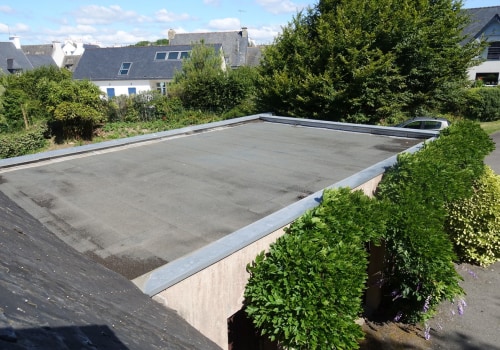
When it comes to home construction and renovation, flat roofing materialsflat roofing materials often fly under the radar, overshadowed by their pitched counterparts. However, the reality is that flat roofs offer a unique blend of practicality and aesthetic appeal that makes them an increasingly popular choice for modern homeowners. With a variety of options available, each possessing its own set of benefits and characteristics, choosing the right flat roofing material can significantly impact your home’s durability, energy efficiency, and overall design. In this article, we will delve into the fascinating world of flat roofing materials, exploring different types available on the market today. From traditional options like built-up roofing to innovative materials such as TPO and EPDM, we will guide you through the selection process, helping you understand the advantages and potential drawbacks of each type.
Whether you are considering a new construction project or contemplating a roof replacement, understanding these materials is crucial to making an informed decision. Join us as we uncover the various types of flat roofing materials, their unique properties, and how they can be tailored to meet your specific needs. With this knowledge in hand, you’ll be better equipped to enhance your home’s value while ensuring it remains protected from the elements for years to come. When it comes to choosing the right flat roofing material, there are several options available, each with its unique composition, advantages, and potential drawbacks. The right choice can significantly impact the long-term maintenance and repair needs of your roof, so it's essential to understand the differences among them. One popular choice is TPO (Thermoplastic Olefin), which is known for its energy efficiency and cost-effectiveness. TPO roofing is made from a single layer of thermoplastic material that is reinforced with polyester.
Its light color reflects sunlight, which helps to keep buildings cooler and reduce energy costs. However, while TPO is relatively easy to install and maintain, it can be prone to punctures and seams may not hold up as well over time compared to other materials. Another widely used flat roofing option is EPDM (Ethylene Propylene Diene Monomer). This synthetic rubber membrane is known for its durability and longevity, often lasting 20 years or more. EPDM is highly resistant to weathering, UV rays, and ozone, making it an excellent choice for regions with harsh climates.
Its flexibility allows it to expand and contract with temperature changes. On the downside, EPDM typically comes in black, which may absorb heat and increase cooling costs in warmer climates.
PVC
(Polyvinyl Chloride) roofing is another viable option, characterized by its durability and resistance to chemicals and fire. PVC membranes are known for their strength and can withstand extreme weather conditions. They are also reflective, which enhances energy efficiency by reducing heat absorption.However, PVC can be more expensive than some other flat roofing materials, and installation requires skilled labor to ensure proper seam welding.
Built-up roofing (BUR)
, sometimes referred to as tar and gravel roofing, has been a traditional choice for flat roofs for many years. It consists of multiple layers of bitumen (asphalt or coal tar) and reinforcing fabrics. The system's layered structure provides excellent waterproofing and durability. One advantage of BUR is its low maintenance requirement; however, it can be heavy and may require additional structural support.Additionally, installation can be labor-intensive and time-consuming.
Modified bitumen
is another option that combines the best of BUR and single-ply membranes. It features a polymer-modified asphalt that enhances flexibility and UV resistance. Modified bitumen systems can be installed using various methods, including torch-down or self-adhering applications. While they offer good durability and ease of maintenance, improper installation can lead to issues like blistering or reduced lifespan. The choice of flat roofing material not only affects initial costs but also has implications for long-term maintenance and repair needs.For example, while TPO may save you money upfront due to lower installation costs, its potential need for frequent repairs could lead to higher expenses down the line. On the other hand, investing in high-quality materials like EPDM or PVC may result in a longer lifespan with fewer repairs required. When considering flat roofing materials, it's essential to evaluate your specific needs. For instance, if you live in an area with high UV exposure or extreme weather conditions, materials like EPDM or PVC may be more suitable due to their superior weather resistance. Conversely, if budget constraints are a primary concern, TPO or modified bitumen might offer a more economical solution without sacrificing too much on performance. Installation concerns are also worth addressing.
Flat roofs require precise installation techniques to prevent leaks and ensure longevity. Homeowners should hire experienced professionals familiar with the specific material being installed to avoid common pitfalls associated with improper application. Lastly, environmental factors should play a significant role in your decision-making process. Many modern flat roofing materials are designed with energy efficiency in mind; reflective surfaces can reduce cooling costs significantly during hot months. Additionally, some materials are recyclable at the end of their lifespan, contributing to sustainability efforts. In conclusion, understanding the various types of flat roofing materials available allows homeowners to make informed decisions that align with their needs, budgetary constraints, and environmental considerations.
By weighing the advantages and drawbacks of each option, you can select a material that will provide durability and performance for years to come.
Ethylene Propylene Diene Monomer (EPDM)
Ethylene Propylene Diene Monomer (EPDM) is a popular choice among flat roofing materials due to its exceptional durability. This synthetic rubber roofing membrane is designed to withstand extreme weather conditions, including heavy rain, snow, and UV exposure. Its flexibility allows it to expand and contract with temperature changes, reducing the risk of cracking or splitting over time. When considering cost-effectiveness, EPDM roofing stands out as an affordable option. The initial installation costs are generally lower compared to other materials like TPO or PVC.Furthermore, EPDM roofs can last 20 to 30 years with proper maintenance, making them a wise long-term investment. Their low maintenance requirements also contribute to overall cost savings, as homeowners typically spend less on repairs and upkeep. Installation of EPDM roofing is relatively straightforward, which can further reduce labor costs. It can be applied using various methods, including fully adhered, mechanically attached, or ballasted systems. The ease of installation makes it accessible for both professional roofers and DIY enthusiasts.
However, it is essential to ensure that the underlying structure is sound and properly prepared to achieve optimal performance.
Built-Up Roofing (BUR)
Built-Up Roofing (BUR) is one of the oldest and most trusted flat roofing systems used in the construction industry. It consists of multiple layers of roofing felt, which are bonded together with hot asphalt or cold adhesives. This layered construction creates a durable and waterproof surface that is particularly effective in protecting buildings from the elements. The typical structure of a BUR system includes alternating layers of bitumen and reinforcing fabrics, resulting in a robust membrane that can withstand various weather conditions. The final layer is often coated with a layer of gravel or a reflective material, enhancing its durability and providing additional protection against UV rays. One of the significant advantages of BUR is its versatility in various climates.In regions with extreme temperatures, the layered construction helps to insulate the building, keeping it warm in winter and cool in summer. Additionally, BUR systems can be designed to accommodate drainage needs, making them suitable for areas prone to heavy rainfall. As such, BUR is an excellent choice for those seeking a reliable and long-lasting flat roofing solution for their homes.
Polyvinyl Chloride (PVC)
Polyvinyl Chloride (PVC) roofing is rapidly gaining traction in the realm of flat roofing materials due to its numerous advantages. One of the standout features of PVC roofs is their exceptional energy efficiency.The reflective surface of PVC membranes helps to minimize heat absorption, which can significantly reduce cooling costs during hot months. This characteristic not only benefits homeowners economically but also contributes to a more sustainable environment by reducing energy consumption. Another compelling reason to consider PVC roofing is its impressive lifespan. With proper installation and maintenance, PVC roofs can last upwards of 20 years or more. This durability is largely due to the material's resistance to UV rays, chemicals, and extreme weather conditions, making it an ideal choice for various climates. Additionally, PVC roofs are relatively lightweight, which can simplify the installation process and lessen the structural load on the building.
Their flexibility allows them to easily accommodate building movements and settle without cracking or splitting. In summary, when evaluating options for flat roofing materials, it’s essential to consider the long-term benefits that PVC can offer, including energy efficiency, durability, and ease of installation.
Thermoplastic Olefin (TPO)
Thermoplastic Olefin (TPO) is a popular choice for flat roofing due to its numerous benefits. One of the primary advantages of TPO roofing is its energy efficiency; it reflects sunlight, which helps reduce cooling costs in warmer climates. This reflective quality not only contributes to lower energy bills but also enhances the overall comfort of the interior space. Another significant benefit of TPO is its durability. TPO membranes are resistant to punctures, tears, and impact damage, making them suitable for a variety of weather conditions.They are designed to withstand exposure to UV rays and ozone, which helps extend the life of the roof. Additionally, TPO is environmentally friendly as it is made from recyclable materials. The installation process for TPO roofing is relatively straightforward. It can be installed using several methods, including mechanically attached, fully adhered, or ballasted systems. During installation, it is essential to ensure that the seams are properly welded to prevent leaks.
Professional installation is recommended to ensure that the roofing system performs optimally. Maintenance of a TPO roof is minimal but important. Regular inspections should be conducted to check for any damage or deterioration. Cleaning the roof periodically helps prevent the buildup of debris and enhances its reflective properties. If any punctures or tears are found, they should be repaired promptly to avoid further issues. In summary, TPO roofing offers a blend of energy efficiency, durability, and ease of maintenance, making it an excellent choice for homeowners considering flat roofing options.
Choosing the Right Material
When it comes to selecting flat roofing materials, several factors must be taken into account to ensure that you make the best choice for your home.One of the primary considerations is durability. Flat roofs are often exposed to harsh weather conditions, so it's essential to choose a material that can withstand elements such as rain, snow, and UV rays. Options like EPDM (Ethylene Propylene Diene Monomer) and TPO (Thermoplastic Olefin) are known for their longevity and resistance to wear and tear. Another critical aspect to consider is cost-effectiveness. While some materials may have a lower initial cost, they may require more frequent repairs or replacements, leading to higher long-term expenses.
It's crucial to evaluate not only the upfront costs but also the lifecycle costs associated with maintenance and potential replacements.
Maintenance
is another vital factor in choosing flat roofing materials. Some materials require more regular upkeep than others. For instance, modified bitumen systems may need periodic inspections and repairs, while materials like PVC (Polyvinyl Chloride) can offer easier maintenance due to their smooth surface. Lastly, consider the aesthetic appeal and how it fits with the overall design of your home. Flat roofs have become increasingly popular in modern architecture, so select a material that complements your home's style while offering the benefits you need. In summary, when choosing flat roofing materials, weigh the factors of durability, cost-effectiveness, maintenance requirements, and aesthetic appeal to find the best option for your specific needs.Modified Bitumen
Modified bitumen is a versatile and widely used roofing material specifically designed for low-slope roofs.It combines the traditional asphalt with modifiers to enhance its performance, making it a popular choice for both residential and commercial buildings. The application of modified bitumen involves a multi-layer system that typically includes a base sheet and a cap sheet. These sheets are installed using various methods, such as torch-down, cold adhesive, or self-adhering techniques. The torch-down method uses heat to melt the adhesive, creating a strong bond to the substrate, while cold adhesive and self-adhering options offer easier installation processes with less risk of fire hazards. One of the primary benefits of modified bitumen is its exceptional durability. This material is engineered to withstand harsh weather conditions, including heavy rain, UV exposure, and extreme temperatures.
Additionally, it is resistant to punctures and tears, providing a long-lasting roofing solution. Cost-effectiveness is another advantage of modified bitumen. While the initial investment may be higher than some other roofing materials, its longevity and low maintenance requirements can lead to significant savings over time. Property owners can expect a lifespan of 20 years or more with proper care. Furthermore, modified bitumen offers excellent thermal performance. It can be manufactured in various colors and reflective coatings, helping to improve energy efficiency by reducing heat absorption.
This feature is particularly beneficial in urban environments where heat islands are prevalent. In conclusion, modified bitumen is a reliable and efficient choice for low-slope roofs, combining durability, cost-effectiveness, and energy efficiency. Whether you are building a new home or upgrading an existing roof, understanding the benefits of this material can help you make an informed decision that meets your specific needs. In conclusion, selecting the right flat roofing material is crucial for ensuring the longevity and effectiveness of your roof. We discussed various options including Thermoplastic Olefin (TPO), Ethylene Propylene Diene Monomer (EPDM), Polyvinyl Chloride (PVC), Built-Up Roofing (BUR), and Modified Bitumen, each offering unique benefits tailored to different needs and budgets. It is essential to consider factors such as durability, cost-effectiveness, and maintenance requirements when making your choice. The growing popularity of flat roofs in modern architecture reflects their versatility and aesthetic appeal.
However, it is vital to ensure that the selected material aligns with your specific circumstances and requirements. Therefore, we encourage readers to consult with professionals who can provide personalized advice based on your unique roofing situation. Additionally, for those interested in hands-on approaches, exploring DIY methods for inspection and maintenance can be beneficial in prolonging the life of your flat roof.