As the sun blazes overhead and temperatures soar, the summer heat brings unique challenges for homeowners, particularly when it comes to maintaining the integrity of your roof. The roof is your home's first line of defense against the elements, and during the warmer months, it faces intense conditions that can lead to long-term damage if not properly addressed. Understanding how summer heat considerations for roofing affect your roofing materials and structure is crucial for ensuring your home remains safe and comfortable. In this article, we will delve into the various factors that contribute to roofing issues during the summer heat. From the effects of UV radiation on shingles to the importance of proper ventilation, we will cover essential tips and strategies to help you navigate these challenges effectively. affect your roofing materials and structure is crucial for ensuring your home remains safe and comfortable. In this article, we will delve into the various factors that contribute to roofing issues during the summer heat. From the effects of UV radiation on shingles to the importance of proper ventilation, we will cover essential tips and strategies to help you navigate these challenges effectively.
Whether you are a seasoned homeowner or a first-time buyer, equipping yourself with this knowledge can save you time, money, and headaches in the long run. Join us as we explore practical solutions and expert advice aimed at protecting your roof from the harsh summer sun. Don’t let the heat take a toll on your home—read on to discover how to keep your roof in top shape all season long!The summer months bring intense heat that can have a significant impact on roofing systems. Understanding how different roofing materials respond to this heat is crucial for homeowners looking to maintain their roofs effectively. Each roofing material comes with its own set of characteristics when it comes to handling summer temperatures, which can ultimately affect energy costs and the longevity of the roof.
Asphalt shingles
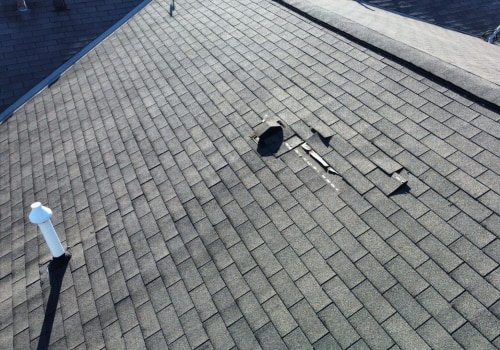
are one of the most common roofing materials.While they are relatively affordable and easy to install, they can be susceptible to heat-induced wear and tear. In high temperatures, asphalt shingles can become brittle and may curl or crack, leading to potential leaks. Homeowners should consider investing in high-quality, reflective shingles that can help reduce heat absorption. These upgraded options often come with better warranties and can assist in lowering energy bills by keeping homes cooler.
Metal roofs
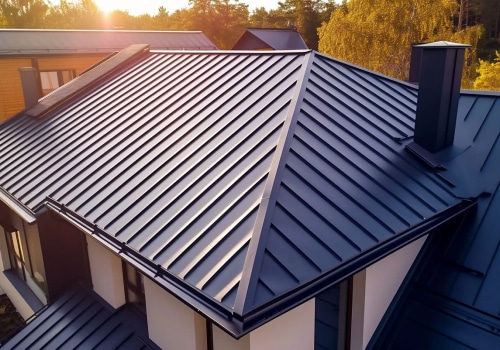
, on the other hand, are known for their durability and energy efficiency.They reflect sunlight rather than absorbing it, which helps maintain lower temperatures inside the home. However, it is essential to ensure that metal roofs are properly insulated to prevent thermal bridging, where heat transfers through the roof into the living space. Homeowners should look for metal roofing systems that have a high emissivity rating, as this will enhance their energy efficiency during hot months.
Tile roofs
, made from clay or concrete, are another popular choice, particularly in warmer climates. These roofs provide excellent insulation and can withstand extreme temperatures without degrading.However, they can be heavy and may require additional structural support. Homeowners should also be aware that while tile roofs are long-lasting, they can crack under severe thermal stress or impact. Regular inspections during summer are crucial to catch any damage early.
Flat roofs
, often found on commercial buildings but also used in some residential homes, present unique challenges in summer heat. These roofs can become hot and may require specialized coatings to reflect sunlight and reduce heat absorption.Homeowners should look for high-quality flat roofing materials that include a reflective membrane to help mitigate cooling costs. Proper drainage is also vital to prevent water pooling, which can lead to further damage. When choosing the right roofing material for your home, consider your local climate, personal preferences, and budget. For instance, those living in hotter climates may prioritize reflective materials or those with good insulation properties. Conversely, homeowners in more temperate regions may choose based on aesthetic appeal or cost-effectiveness. Hiring qualified roofing contractors is equally important when addressing summer heat considerations for roofing systems.
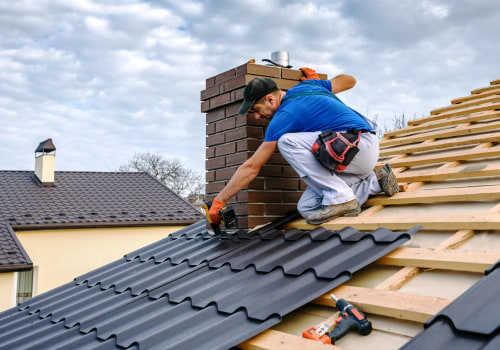
Homeowners should look for contractors who are licensed, insured, and have a solid track record of experience in their area. During consultations, ask about their familiarity with local building codes, warranties offered on materials and workmanship, and references from previous clients. Questions like "What measures do you take to ensure proper ventilation?" or "Can you show me examples of past projects similar to mine?" can provide valuable insights into the contractor's capabilities. Summer maintenance is critical for prolonging the life of your roof. One essential task is cleaning gutters to prevent water backup that can lead to leaks.
Homeowners should also inspect their roofs regularly for signs of heat-related damage such as curling shingles or rusted metal panels. Ensuring proper ventilation in attic spaces is another key consideration; inadequate airflow can lead to increased temperatures and moisture buildup that harms roofing materials. For those who prefer a DIY approach, there are several safe inspection techniques homeowners can utilize. Start by using binoculars to examine your roof from the ground for any visible damage or debris accumulation. You can also check inside your attic for signs of leaks or dark spots on the rafters that might indicate moisture issues.
If you notice anything concerning, it’s best to consult a professional for a thorough evaluation. Incorporating expert advice is also beneficial; many roofing professionals emphasize the importance of proactive maintenance during summer months. According to John Smith, a seasoned roofing contractor with over 20 years of experience: "Routine inspections during the summer not only catch issues early but also help homeowners save money in the long run by addressing minor problems before they escalate." By understanding the effects of summer heat on different roofing materials and taking proactive steps in maintenance and repairs, homeowners can navigate the challenges of summer heat more effectively.
Hiring the Right Contractor
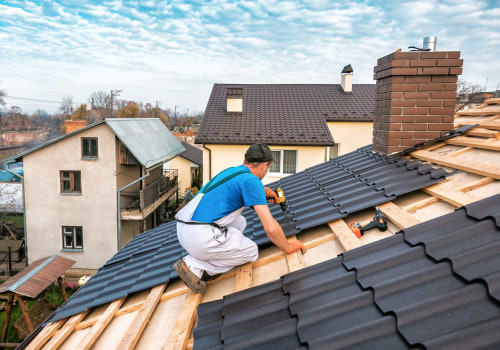
When it comes to addressing the challenges posed by summer heat on your roofing system, hiring the right contractor is crucial. A knowledgeable and experienced contractor can help mitigate heat-induced wear and tear, ensuring your roof remains in good condition throughout the hotter months. Here are some key considerations to keep in mind when selecting a roofing contractor:- Experience and Expertise: Look for contractors who have a proven track record in roofing projects, especially in your local climate. Ask about their experience with materials that perform well under high heat.
- Licensing and Insurance: Ensure the contractor is properly licensed and insured.
This protects you from liability in case of accidents or damages during the roofing process.
- References and Reviews: Request references from past clients and check online reviews. Feedback from previous customers can provide insight into the contractor's reliability and quality of work.
- Written Estimates: Obtain detailed written estimates from multiple contractors. This allows you to compare prices, services offered, and understand what is included in the scope of work.
- Warranties and Guarantees: Inquire about the warranties offered on both materials and workmanship. A reputable contractor should provide guarantees that protect your investment.
Summer Maintenance Tips
As the temperature rises during the summer months, it becomes essential to pay extra attention to your roof.Here are some actionable tips to help maintain your roofing system and ensure its longevity.
1.Regular Inspections:
Schedule regular inspections of your roof at least twice during the summer. Look for signs of damage such as missing shingles, cracks, or discoloration. Early detection can prevent more significant problems down the line.2.Clean Gutters and Downspouts:
Ensure that your gutters and downspouts are free from debris. Clogged gutters can lead to water accumulation on your roof, increasing the risk of leaks and structural damage.3.Trim Overhanging Branches:
Trees that cast shade on your roof can also drop leaves and branches, which may trap moisture.Regularly trim any overhanging branches to minimize this risk and reduce the chance of physical damage.
4.Check Flashing and Seals:
Inspect the flashing around vents, chimneys, and skylights for any signs of wear or damage. Proper sealing is crucial to prevent leaks during summer storms.5.Enhance Ventilation:
Improve attic ventilation by ensuring that vents are not blocked. Proper airflow helps regulate temperatures and prevents heat buildup, which can damage roofing materials over time.6.Apply Reflective Coatings:
Consider applying a reflective coating or a cool roof system to reduce heat absorption. These coatings can lower roof temperatures and improve energy efficiency, which is particularly beneficial during hot summer months.7.Schedule Professional Maintenance:
If you notice significant wear or if your roof is older, consider hiring a professional for a thorough inspection and maintenance service.They can provide expert advice and necessary repairs that you might overlook. By following these summer maintenance tips, homeowners can help ensure their roofs remain in good condition and withstand the challenges posed by the summer heat.
Understanding Different Roofing Materials
When it comes to managing the effects of summer heat on your roof, roofing materials play a crucial role. Each type of material has its own unique properties that determine how well it can withstand high temperatures and the associated challenges.Asphalt shingles
are one of the most common roofing materials in residential homes. While they are cost-effective and easy to install, they can suffer from heat-induced wear and tear. Prolonged exposure to intense sunlight can cause these shingles to crack, curl, or fade, ultimately reducing their lifespan.On the positive side, many manufacturers now produce reflective asphalt shingles that can help mitigate heat absorption.
Metal roofing
is another popular choice, known for its durability and energy efficiency. Metal roofs reflect sunlight more effectively than asphalt shingles, keeping homes cooler during the summer months. However, they can be more expensive upfront and may require special insulation to reduce heat transfer into the home.Tile roofing
, made from clay or concrete, offers excellent thermal properties. These materials naturally reflect heat and are highly durable, providing a long lifespan.However, tile roofs can be heavy and may require additional structural support, which can add to installation costs.
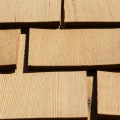
Wood shakes
or shingles provide a natural aesthetic and good insulation properties. They allow for air circulation beneath them, which can help reduce heat buildup. However, wood is susceptible to damage from high temperatures and may require regular maintenance to prevent issues such as warping or mold growth. Finally, synthetic roofing materials, such as rubber or plastic composites, are becoming increasingly popular due to their lightweight nature and resistance to extreme weather conditions. These materials often mimic the look of traditional roofing while providing better durability and lower maintenance needs.However, some synthetic options may not perform as well under extreme heat compared to traditional materials. In conclusion, understanding how different roofing materials cope with summer heat is essential for making informed decisions about your roof. Each material has its pros and cons, impacting not only the longevity of your roof but also your home's energy efficiency.
DIY Roof Inspection Techniques
Inspecting your roof during the hot summer months is crucial for identifying potential damage caused by extreme temperatures. Here are some safe methods for homeowners to conduct their own roof inspections:1.Use Binoculars: Before climbing onto your roof, start with a thorough ground inspection using binoculars. Look for any visible issues such as missing shingles, cracked tiles, or sagging areas.This initial step helps you assess the roof's condition without putting yourself at risk.
2.Check for Debris:
Accumulated leaves, branches, and other debris can trap heat and moisture, leading to damage over time. Use a broom or a leaf blower from the ground to clear away any debris that may have gathered in gutters or on the roof surface.3.Safety First:
If you decide to climb onto your roof, always prioritize safety. Use a sturdy ladder and ensure it is placed on stable ground. Wear non-slip shoes and consider using a safety harness if you're working on a steep roof.4.Look for Blisters and Cracks:
Once on the roof, inspect for blisters or cracks in the roofing material.These can be signs of heat damage that may lead to leaks and further deterioration if not addressed promptly.
5.Assess Flashing and Seals:
Pay special attention to the flashing around chimneys, vents, and skylights. Check for any gaps or rust that could allow water to seep in, especially after heavy summer rains.6.Document Findings:
Take photos of any areas of concern for future reference or to discuss with a roofing professional. This documentation can be invaluable when seeking repairs or assessments. By following these DIY inspection techniques, homeowners can take proactive steps to maintain their roofs and prevent costly repairs caused by summer heat damage. In summary, understanding the impact of summer heat on roofing is essential for maintaining the longevity and functionality of your home. Regular maintenance during the hotter months can prevent significant damage and enhance energy efficiency, ultimately saving you money in the long run.By taking proactive steps to care for your roof, such as conducting inspections and addressing any potential issues, you can avoid costly repairs and ensure a safe living environment. We encourage you to not only inspect your roof regularly but also to seek professional help when needed. Don't wait for problems to arise; take action now to protect your investment.