As the cold winter months give way to the vibrant blooms of spring, it’s time for homeowners to turn their attention to an often-overlooked aspect of home maintenance: the roof. A well-maintained roof not only enhances the aesthetic appeal of your home but also protects it from the elements, ensuring a safe and comfortable environment for you and your family. This is where an Essential Spring Cleaning Checklist for Roofs comes into play. Spring cleaning isn’t just about decluttering your living spaces; it extends to the exterior of your home, particularly your roof. Over the winter, roofs can accumulate debris like leaves, branches, and dirt, which can lead to bigger problems if left unattended.
From preventing mold growth to avoiding costly repairs down the line, a thorough roof cleaning is crucial. In this article, we will guide you through a comprehensive checklist designed specifically for your roof's spring cleaning. Whether you're a DIY enthusiast or prefer to hire professionals, understanding what needs to be done will help you maintain the integrity of your roof and prolong its lifespan. So, grab your ladder and let’s dive into the essential tasks that will prepare your roof for the sunny days ahead!As the cold winter months give way to the warmth of spring, it's time to focus on your roof. An effective spring cleaning checklist for roofs can help maintain the integrity of your roofing materials and prevent costly repairs down the line.
This seasonal maintenance is crucial, as neglecting your roof can lead to issues like debris buildup, moss growth, and general wear and tear. To simplify the process, here's a comprehensive checklist to guide you through the essential steps of roof cleaning and maintenance.
1.Inspect Different Roofing Materials:
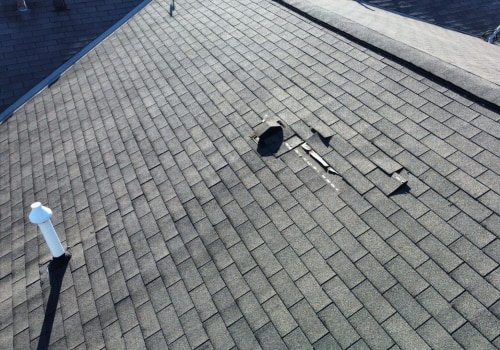
Different roofing materials require different care. For instance, asphalt shingles are prone to curling and cracking if not inspected regularly. Check for any loose or missing shingles and replace them as needed.Metal roofs, on the other hand, may develop rust or corrosion, so look for signs of these issues and treat them promptly. If you have a tile roof, inspect for broken tiles that could lead to leaks.
2.Remove Debris:
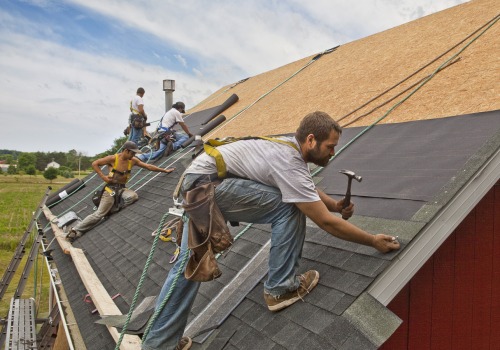
Over the winter months, leaves, twigs, and other debris can accumulate on your roof. This buildup can trap moisture and lead to mold or algae growth. Use a soft-bristle broom or a leaf blower to carefully remove debris from the surface of your roof.Be sure to take care when walking on your roof, as it can be slippery. Always prioritize safety by using a harness or having someone assist you.
3.Check for Damage:
After removing debris, closely inspect your roof for any signs of damage. Look for cracked shingles, rust spots on metal roofs, or any loose tiles. Pay special attention to areas around chimneys, vents, and skylights where leaks are more likely to occur.Document any issues you find; this will be helpful whether you decide to tackle repairs yourself or hire a professional.
4.Maintain Gutters:
Clogged gutters can cause water to back up and damage your roof over time. During your spring cleaning, ensure that gutters are clear of debris and functioning properly. Clean them out thoroughly and check for any sagging sections that may need repair. Installing gutter guards can also help reduce the frequency of cleanings in the future. The importance of professional inspections versus DIY methods cannot be overstated.While many homeowners can handle basic maintenance tasks, some problems require expert attention. If you notice significant damage or if you’re uncomfortable with heights, it's best to hire a contractor who specializes in roofing. They will have the tools and experience necessary to conduct a thorough inspection and provide necessary repairs. Common problems found during inspections often include water damage from leaks caused by damaged shingles or improper flashing around chimneys and vents. Additionally, moss growth can be more than just an aesthetic issue; it can trap moisture against the roofing material, leading to rot over time.
Professional roofers can address these concerns with proper treatments and repairs. Seasonal considerations play a vital role in roof maintenance. Winter weather can cause ice dams that damage shingles and lead to leaks when they melt in spring. This makes spring an ideal time for maintenance as it allows homeowners to assess any winter-related damage before summer storms arrive. While there are varying opinions on DIY versus hiring professionals, it’s essential to weigh both sides carefully. DIY methods can save money but come with risks, especially if you're inexperienced or if the project requires specialized knowledge.
On the other hand, hiring professionals ensures that the job is done correctly and safely but at a higher cost. In conclusion, following this spring cleaning checklist for roofs can significantly prolong the lifespan of your roofing materials while preventing costly repairs in the future. By inspecting different roofing materials, removing debris, checking for damage, and maintaining gutters, you'll set your roof up for success in the coming seasons. Remember to balance DIY efforts with professional help as needed to keep your roof in top condition.
Roof Inspection Essentials
Conducting a thorough roof inspection is vital to ensuring the longevity and functionality of your roofing system. Start by examining the roof surface for any signs of damage, such as cracks, missing shingles, or blisters.Document any issues you find with clear photographs and notes, which can be helpful for future reference or when consulting with a roofing professional. Next, check the gutters and downspouts for debris buildup, which can lead to water pooling and potential leaks. Ensure that they are securely attached and functioning properly. Pay attention to the flashing around vents, chimneys, and skylights; any rust or gaps here can indicate areas where water may infiltrate. While inspecting, also look for moss and algae growth, which can trap moisture and degrade roofing materials over time. If you notice such growth, consider cleaning it off using appropriate methods that won't damage the roof.
Lastly, assess the overall condition of your roofing materials, noting any areas that may require repairs or replacement in the near future. By following these key points during your roof inspection, you can identify potential problems early and take proactive steps to maintain your roof's integrity.
Cleaning Your Roof Safely
Cleaning your roof is a vital part of spring cleaning, but it’s essential to do so safely to avoid damaging your roofing materials or injuring yourself. Here are some best practices to ensure a safe and effective cleaning experience. Firstly, always assess the type of roof you have, as different materials require different cleaning techniques. For instance, asphalt shingles can be quite sensitive to harsh chemicals and pressure washing, while metal roofs may withstand more vigorous cleaning methods. When preparing for the cleaning process, gather the necessary tools. You will need a sturdy ladder, safety harness, soft-bristle brush, and a garden hose with a spray nozzle.If your roof has significant moss or algae buildup, consider using a mixture of water and mild detergent or a specialized roof cleaner that is safe for your roofing material. Before climbing onto your roof, ensure that your ladder is positioned on stable ground and is tall enough to reach the roof's edge comfortably. It’s advisable to have someone assist you while you’re on the ladder for added safety. While cleaning, avoid walking on delicate areas of the roof. Instead, use the ladder to reach different sections without putting too much weight on the roofing material. If you notice any loose shingles or signs of damage during your inspection, refrain from further cleaning and consult a roofing professional. Lastly, consider cleaning your roof when it’s dry outside.
Wet surfaces can be slippery and hazardous. By following these guidelines, you can keep your roof clean and well-maintained without compromising safety.
Hiring a Roofing Professional
When it comes to maintaining your roof, sometimes the best course of action is to hire a roofing professional. While DIY maintenance can be effective, a qualified contractor brings expertise that can ensure your roof is thoroughly cleaned and inspected. Here are some tips on how to select a qualified roofing contractor:First, check for licensing and insurance.A reputable roofing professional should have the necessary licenses to operate in your area and carry insurance to protect against any accidents that may occur during the job. This not only safeguards you but also indicates a commitment to quality work. Next, ask for referrals and read reviews. Speaking with previous clients can provide insight into the contractor's reliability and quality of service. Online reviews on platforms like Google or Yelp can also highlight both positive experiences and potential red flags. In addition, obtain multiple quotes.
This allows you to compare pricing, services offered, and timelines. Be wary of quotes that seem too low; they may indicate subpar materials or rushed work. Furthermore, inquire about their experience with similar projects. A contractor who has dealt with spring cleaning for roofs specifically will have a better understanding of the unique challenges that come with this seasonal maintenance. Finally, don't hesitate to ask questions. A professional should be willing to explain their processes, the materials they plan to use, and any warranties they offer.
Clear communication is essential for a successful roofing project.
Common Roofing Problems and Solutions
As spring arrives, homeowners often encounter a range of roofing issues that can arise from the winter months.Debris buildup
is one of the most common problems; leaves, branches, and other materials can collect on the roof and in gutters, leading to potential water damage if not cleared away. To prevent this, regularly inspect your roof and remove any debris promptly. Keeping gutters clean is equally essential to ensure proper water drainage. Another prevalent issue during spring is moss growth.Moss can trap moisture against the roofing materials, which may lead to deterioration over time. To combat this, consider using a moss killer specifically designed for roofs, or hire a professional to safely remove it. Additionally, installing zinc or copper strips along the ridge of your roof can help inhibit future moss growth. Homeowners should also be vigilant about signs of wear and tear, such as cracked shingles or loose flashing. These issues can compromise the integrity of your roof and lead to leaks if not addressed.
Conduct a thorough inspection after winter storms and replace any damaged shingles immediately. If you notice extensive wear, consult a roofing professional for a more comprehensive evaluation. Lastly, be aware of potential leaks that may develop as snow melts and rain begins. Check your attic and ceilings for any signs of water stains or dampness. If you suspect a leak, it’s crucial to investigate further and make necessary repairs to avoid more significant damage down the line. By addressing these common roofing problems proactively during spring cleaning, homeowners can ensure their roofs remain in good condition and extend their lifespan significantly.
Gutter Maintenance and Its Importance
Maintaining your gutters is a crucial aspect of roof health that is often overlooked during spring cleaning.Properly functioning gutters direct rainwater away from your roof and foundation, preventing water damage and structural issues. When gutters become clogged with leaves, dirt, and other debris, they can lead to water pooling on the roof, which may cause leaks and deterioration of roofing materials. Additionally, clogged gutters can promote mold growth and attract pests, further compromising the integrity of your home. To ensure your gutters are in optimal condition, follow these step-by-step instructions for cleaning them:
- Gather your supplies: You will need a sturdy ladder, gloves, a trowel or scoop, a bucket or bag for debris, and a garden hose with a spray nozzle.
- Safety first: Position the ladder on stable ground and never lean too far to one side. Consider having someone assist you while you clean your gutters.
- Remove debris: Start at one end of the gutter and use the trowel or scoop to remove leaves, twigs, and other debris. Place the debris into your bucket or bag.
- Flush with water: After removing the debris, use the garden hose to flush out the gutters.
This will help dislodge any remaining dirt and ensure that the downspouts are clear.
- Check for blockages: If water does not flow freely through the downspouts, use a plumber’s snake or a high-pressure nozzle to clear any blockages.
- Inspect for damage: While cleaning, check for any signs of damage to the gutters themselves, such as rust, holes, or sagging sections. Repair or replace as necessary.
We encourage all homeowners to take action this season and keep their roofs in optimal condition.