When it comes to roofing, understanding the intricacies of warranty coverage can often feel like navigating a maze. With so many options available, homeowners frequently find themselves overwhelmed by the fine print and various terms that accompany roofing warranties. Whether you're a first-time homeowner or someone looking to upgrade your roof, grasping the essentials of warranty coverage is crucial to safeguarding your investment. Your roof is not just a protective shield over your home; it is a significant financial investment that deserves adequate protection. A solid warranty can provide peace of mind, but only if you fully understand what it entails.
In this article, we will delve into the complexities surrounding warranty coverage, breaking down the key elements you need to consider. From the differences between manufacturer and contractor warranties to the specifics of what each type covers, our aim is to empower you with knowledge that ensures your roofing project stands the test of time. Join us as we explore the often-misunderstood world of roofing warranties and equip yourself with the insights necessary to make informed decisions for your home. Let’s embark on this journey together and ensure that your roof is not only durable but also protected under the right warranty!Understanding warranty coverage is crucial for homeowners as it serves as a safety net for one of their most significant investments—their roofs. Many homeowners mistakenly believe that a warranty will cover any and all issues that may arise, but this is often far from the truth.
Misconceptions about the scope and limitations of warranty coverage can lead to frustration and financial loss, especially when it comes time to make a claim. It is essential to recognize that warranty coverage can vary significantly depending on the materials used, the contractors hired, and the specific terms outlined in the warranty agreement. There are primarily three types of roofing warranties that homeowners should be aware of: can vary significantly depending on the materials used, the contractors hired, and the specific terms outlined in the warranty agreement. There are primarily three types of roofing warranties that homeowners should be aware of: material warranties, workmanship warranties, and extended warranties.
Material warranties
are provided by roofing manufacturers and typically cover defects in the roofing materials themselves. For instance, if a shingle is found to be defective within a specified period, the manufacturer may replace it at no cost.However, these warranties often exclude damages caused by improper installation or environmental factors such as severe storms or hail damage.
Workmanship warranties
, on the other hand, are offered by the roofing contractor and cover issues related to the installation process. A reputable contractor will stand behind their work; however, these warranties can come with specific conditions. For example, if a roof leak occurs due to poor installation, a contractor may be liable for repairs under their workmanship warranty. Nonetheless, if the homeowner fails to perform regular maintenance or ignores warning signs of damage, the contractor may deny the claim. Homeowners should also consider extended warranties, which provide additional coverage beyond the standard manufacturer’s warranty.These can be particularly beneficial for high-end roofing systems or for homeowners who want extra peace of mind. However, extended warranties often come with additional costs and may have specific requirements that need to be met to keep them valid. For example, an extended warranty might require annual inspections or maintenance performed by certified professionals. To illustrate the importance of understanding these warranty types, let’s consider a real-life scenario where a homeowner attempted to make a claim under their material warranty. After experiencing severe leaks due to defective shingles, they contacted the manufacturer only to find out that their claim was denied because the leaks were exacerbated by improper installation.
This highlights how critical it is for homeowners to understand that while warranty coverage offers protection, it does not cover every possible scenario. The significance of hiring reputable contractors cannot be overstated when it comes to maintaining warranty validity. A poorly executed installation can void both material and workmanship warranties. Homeowners should always research potential contractors thoroughly, checking references and reviews to ensure they have a solid reputation in the industry. Additionally, ensuring that the contractor is licensed and insured is vital as this adds another layer of protection against potential issues. Maintaining a roof is also essential for keeping warranties intact.
Homeowners should conduct regular inspections to identify any potential problems early on, such as missing shingles or signs of water damage. Furthermore, keeping records of maintenance activities can be crucial when filing a warranty claim. For example, if a homeowner has documented proof of annual inspections and necessary repairs, they will be better positioned to argue their case should a dispute arise. Legal aspects can also influence warranty coverage. Each state may have different laws regarding warranties and consumer protection.
Homeowners should familiarize themselves with local regulations and understand that some warranties may have specific legal requirements for enforcement. Common pitfalls include failing to read the fine print of warranty agreements or misunderstanding the terms and conditions. Disagreements regarding warranty terms can often lead to disputes; hence clear communication with contractors and manufacturers is essential. In conclusion, understanding warranty coverage is fundamental for homeowners looking to protect their investment in roofing. By familiarizing themselves with the different types of warranties available, hiring reputable contractors, maintaining their roofs properly, and being aware of legal aspects surrounding warranties, homeowners can navigate the complexities of roofing warranty coverage more effectively.
Maintaining Your Roof Warranty
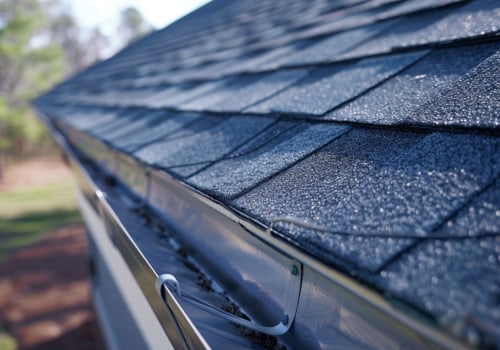
To ensure that your roof warranty remains valid, it is essential to perform regular maintenance and inspections.Homeowners should understand that many warranties have specific requirements regarding maintenance, and failing to adhere to these can lead to voiding the warranty. First and foremost, conduct regular visual inspections of your roof at least twice a year. Look for any signs of damage, such as missing shingles, cracks, or leaks. Early detection of issues can prevent more significant problems down the line and help maintain your warranty coverage.Additionally, it is advisable to keep your gutters clean and free of debris. Clogged gutters can lead to water pooling on your roof, increasing the risk of leaks and water damage.
Regular cleaning can help you avoid costly repairs and ensure that your roofing warranty remains intact. Another important aspect of maintaining your warranty is documenting all maintenance activities. Keep detailed records of inspections, repairs, and any professional services performed on your roof. This documentation can be vital if you need to make a claim under your warranty. Lastly, consider hiring a professional roofing contractor for annual inspections. A qualified expert can identify potential issues that may be overlooked by an untrained eye and ensure that your roof meets all warranty requirements.
Common Warranty Pitfalls
Understanding warranty coverage is essential for homeowners, yet many fall into common pitfalls that can jeopardize their investment.One frequent mistake is failing to read the terms of the warranty. Homeowners often skim through the documents without fully grasping the conditions and limitations, leading to unexpected surprises later on. This oversight can result in denied claims when issues arise, leaving homeowners to bear the financial burden. Another common issue is neglecting necessary maintenance. Many warranties stipulate that regular upkeep is required to keep the coverage valid.
Homeowners may mistakenly believe that once the roof is installed, their responsibilities end. However, failure to perform routine inspections or maintenance can void warranty protections, leaving them unprotected against potential damages. Additionally, homeowners might not recognize the differences in warranty types, such as manufacturer warranties versus contractor warranties. Each type comes with its own set of rules and protections, and mixing them up can lead to confusion about who is responsible for certain issues. Understanding these distinctions is crucial for making informed decisions regarding roofing investments. Lastly, many homeowners overlook the importance of documenting all communications with contractors or manufacturers.
Keeping detailed records ensures that if disputes arise, there is a clear trail of evidence supporting their claims. Without proper documentation, homeowners may struggle to assert their rights under the warranty.
Types of Roofing Warranties
When it comes to roofing warranties, homeowners must understand that there are primarily two types: material warranties and workmanship warranties. Each type plays a crucial role in protecting your investment, and knowing the differences can help you make informed decisions.Material warranties
cover the roofing materials themselves. These warranties typically guarantee that the materials will perform as expected for a specified period, often ranging from 20 years to a lifetime, depending on the product and manufacturer.Homeowners should pay attention to the specific terms and conditions of these warranties, as they may not cover damage caused by improper installation or extreme weather conditions. Additionally, some manufacturers offer prorated warranties, which means that the coverage amount decreases over time. On the other hand, workmanship warranties focus on the quality of the installation performed by the roofing contractor. These warranties ensure that the contractor will correct any installation-related issues that arise within a certain timeframe, which can vary from one year to several years. It is essential for homeowners to verify that their chosen contractor provides a solid workmanship warranty, as poorly executed installations can lead to significant problems down the line. In summary, understanding both material warranties and workmanship warranties is vital for homeowners looking to safeguard their roofing investment.
By being aware of what each warranty covers and its limitations, homeowners can better navigate their options and ensure long-lasting protection for their roofs.
Choosing the Right Contractor
When it comes to roofing, choosing the right contractor is paramount not only for the quality of the installation but also for the implications it has on your warranty coverage. A skilled and reputable contractor can help ensure that your roofing system is installed correctly and according to the manufacturer’s specifications, which is often a prerequisite for warranty validity. One of the first steps in securing a solid warranty is to verify the credentials of potential contractors. This includes checking their licensing, insurance, and any certifications they may have. Many manufacturers require that their products be installed by certified professionals to maintain warranty coverage, so working with a qualified contractor can significantly impact your protection. Additionally, it’s important to understand how different contractors may offer varying terms related to warranties.Some contractors may provide their own workmanship warranties in addition to the manufacturer’s warranty, which can provide extra layers of security for your investment. Therefore, asking questions about the specific warranty terms and conditions is essential when selecting a contractor. Furthermore, reading reviews and seeking referrals can also guide you in choosing a contractor who not only meets your needs but also has a track record of honoring warranty commitments. A contractor with a good reputation will be more likely to stand by their work and assist you should any issues arise during the warranty period. In summary, the importance of selecting a qualified roofing contractor cannot be overstated when it comes to maintaining warranty coverage. By ensuring that your contractor is properly credentialed and reputable, you can help protect your investment and ensure that your roofing system remains covered under warranty for years to come. In conclusion, understanding warranty coverage is essential for homeowners who want to protect their investment in roofing.
Throughout this article, we have explored various types of roofing warranties, the importance of choosing the right contractor, and how to maintain your roof warranty effectively. We also discussed common pitfalls that can jeopardize your warranty rights. By being informed about the nuances of warranty coverage, homeowners can make better decisions and avoid potential disputes down the line. It is crucial to take proactive steps in maintaining your roofs, such as scheduling regular inspections and understanding the specific terms outlined in your warranty documents. A thorough review of these documents will empower you to capitalize on your warranty benefits and ensure that your roofing investment is well protected.